Buenos Aires for those who already know it
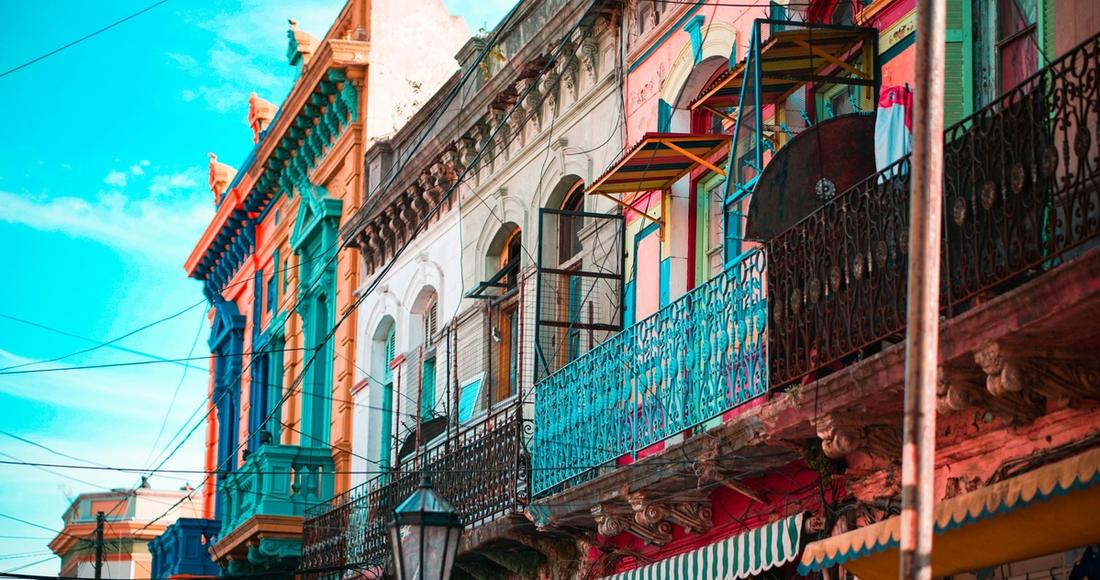
If you already know that Palermo has great restaurants and San Telmo hosts a Sunday market, this guide is for you. We aren’t going to tell you what you already know; we’re going to show you what you haven’t discovered yet.
Buenos Aires has a hidden layer that doesn’t show up in search engines. It moves fast, shifts direction with the seasons, and operates almost exclusively through word of mouth. Accessing it requires time, discernment, and the right connections—or someone who has already done the legwork for you.
Dining off the radar
The Buenos Aires culinary scene stopped needing an introduction years ago. Yet, the most interesting things happening today don’t appear on TripAdvisor or in annual rankings. They exist on the fringes—in places that don’t need visibility because they already have a waiting list.
"Closed-door" restaurants are a local tradition that remains more alive than ever. Operating out of private homes in neighborhoods like Colegiales, Chacarita, or Villa Crespo, they open just a few nights a week, bear no signage, and take reservations via direct message. The experience is intimate: fixed seven- or eight-course menus, meticulously curated wine pairings, and a level of conversation with the chef that simply doesn't exist in conventional restaurants. It’s not just an underground fad; it’s a different way of approaching gastronomy, and Buenos Aires is one of the few cities in the world where this model thrives on such a scale.
Then there is the natural wine revolution. Sommeliers have left formal hotel restaurant wine lists to open their own bars in tiny spaces, serving wines from small producers that never make it to major wine shops. The names change with the seasons—and sometimes the locations do, too—but the scene endures because there is genuine talent behind it.
And at the other end of the spectrum, there are the neighborhood *parrillas* (steakhouses). Not the ones featured in tourist guides, but the spots on street corners in Almagro or Boedo where the grill master has been doing the same thing for forty years, the meat is selected by eye, and the wine is served in a *pingüino* (a traditional penguin-shaped pitcher). They don’t need to be trendy; they’ve been great since long before Instagram existed.
Art Off the Beaten Path
Buenos Aires boasts a density of art galleries that few Latin American cities can match. Yet, if you stick to the official circuit—the galleries in Retiro, the annual fairs, the standard museums—you miss out on half of what is actually happening.
The most compelling energy lies in independent spaces: renovated houses in Villa Crespo that serve simultaneously as galleries, studios, and residencies; curatorial projects staging one-weekend exhibitions in warehouses in Barracas or La Boca, featuring work you won't see anywhere else; and artists' open studios that welcome visitors by appointment, where you can buy art directly—cutting out the middleman—while sharing a coffee with the artist as they explain their process.
Then there is the art book and independent publishing scene. Buenos Aires maintains a publishing culture that remains resolutely analog: small presses producing limited runs, fairs for self-published works, and specialized bookstores where you can find items that don't exist on Amazon. If you are interested in design, photography, or illustration, these bookstores are a must-visit stop that hardly any tourists know about.
It isn't the artBA circuit. It is what happens in the intervals between editions. And often, it is far more interesting.
Neighborhoods off the Tourist Trail
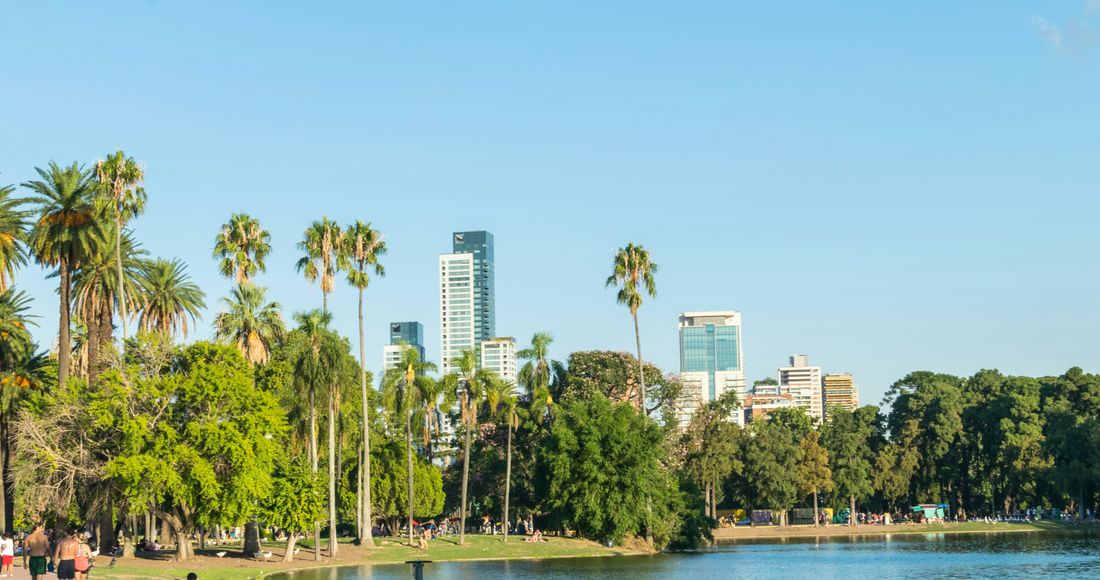
There is a side of Buenos Aires that no tourist visits and that most *porteños* know only by name: Coghlan, Saavedra, Parque Chas, Colegiales, Agronomía. These are residential neighborhoods possessing an urban quality that more popular areas lost long ago—wide sidewalks, old trees, houses with front gardens, bakeries that close at midday, and public squares where children play without constant supervision.
Parque Chas deserves special mention. It is a neighborhood designed with a spiral street layout that disorients anyone unfamiliar with the area. Getting lost there is the whole point. The streets bear the names of cities from around the world and wind inward toward a center that feels like Buenos Aires’ best-kept secret. It has no trendy bars or art galleries. It offers something better: silence, trees, and the feeling of being in a small town within a metropolis.
Exploring these neighborhoods on foot or by bicycle on a Tuesday afternoon is one of the best ways to understand how Buenos Aires lives when it isn't putting on a show.
Nights Beyond the Party Scene
Not everything that happens at night in Buenos Aires revolves around nightclubs. The city possesses a nightlife culture that operates on a completely different wavelength—one that, for many visitors, proves to be the biggest surprise of the trip.
*Milongas* are the best-known example, but a distinction must be made. We aren't talking about tango shows for tourists; we are talking about the dance halls where people dance in earnest—places governed by unspoken codes of eye contact used to invite a partner to the floor, and where the quality of the dancing matters more than age or appearance. These are spaces defined by a social elegance rarely found in other cities around the world.
Then there are the jazz bars. Buenos Aires boasts a jazz tradition that dates back to the 1940s and continues to produce world-class musicians. There are clubs where you ring a doorbell to enter, sit in a living-room setting with thirty other people, and listen to a trio that could easily fill a theater in New York.
And then there is the culture of timing. Buenos Aires is a city where having dinner at eleven at night is the norm, where bookstores stay open until midnight, and where cafés fill up at two in the morning on a Wednesday without anyone batting an eye. This relationship with the night isn't about excess; it is a way of life that embraces the idea that the best conversations have no closing time.
Why this matters
All these places exist whether we’re there or not. But accessing them—whether you’re visiting from out of town or even if you live here but don’t frequent certain circles—isn’t easy. There’s no website that lists them all. There’s no map. They operate through personal connections.
We live here. We know these places because we actually go to them, not because we looked them up on Google. And when we host guests at one of our properties, part of the experience is opening that door: sharing what we know about the city we call home every day.
That’s what staying with BT Homes is all about. It’s not just where you sleep; it’s how you experience Buenos Aires.